Periodontal Treatment in Ventura: What Every Family Should Know
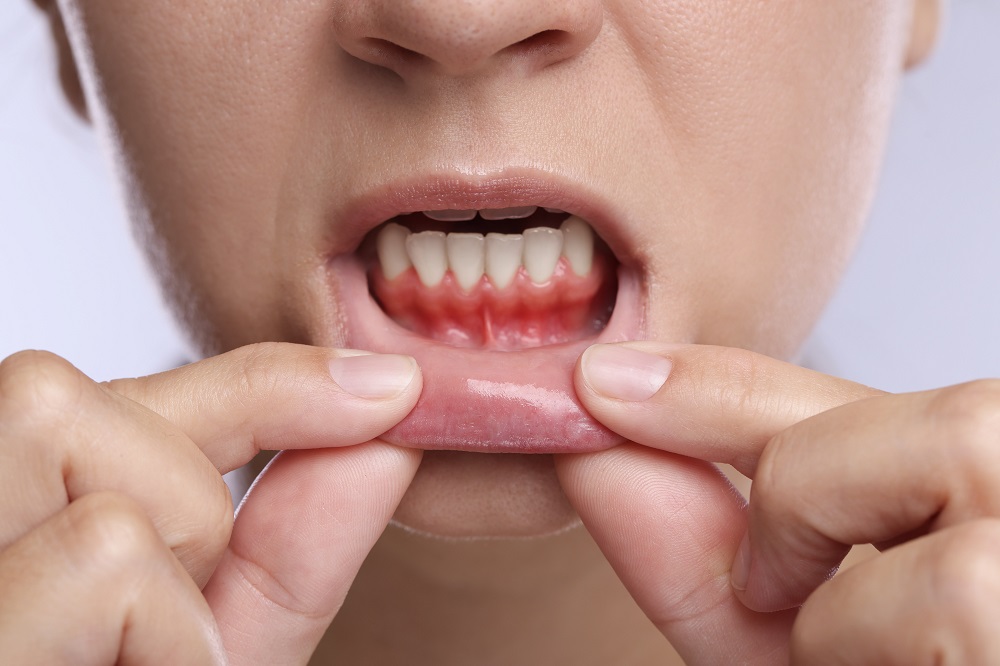

Gum disease rarely announces itself with drama. More often, it begins with a little bleeding in the sink, a puffiness along the gumline, or a vague sense that the mouth does not feel as fresh as it used to. People notice it, then put it off. Life is busy. Kids need rides, work runs late, insurance renewals are confusing, and a dental visit can slip lower on the list than it should. By the time many families in Ventura start asking about periodontal care, the problem has usually been there for months, sometimes years.
That matters because periodontal disease is not just a cosmetic issue. It affects the tissues and bone that support the teeth. Left untreated, it can lead to gum recession, loose teeth, chronic bad breath, painful chewing, and eventually tooth loss. It can also make routine dental care more complicated and more expensive than it needed to be.
When people search for Periodontal Treatment Ventura, they are usually looking for straightforward answers. What exactly is periodontal disease? How serious is it? What does treatment involve? Is it painful? Can it be reversed? What should parents know if gum problems run in the family? Those are practical questions, and they deserve practical answers.
What periodontal disease actually is
Periodontal disease is an infection and inflammatory condition affecting the gums and the structures that hold teeth in place. In its earliest stage, called gingivitis, the gums become irritated by bacterial plaque that collects around the teeth. The gums may look redder than usual, feel tender, or bleed during brushing and flossing. At this point, the damage is typically limited to the soft tissue, and with timely professional care and improved home hygiene, it can often be reversed.
Periodontitis is the more advanced stage. The infection and inflammation move deeper, affecting the ligament and bone that support the teeth. Pockets can form between the gums and teeth, creating a space where more bacteria collect. Once bone loss starts, the goal shifts. The aim is no longer simply to reverse irritation. It becomes controlling the disease, reducing bacterial buildup, preserving the supporting structures that remain, and slowing or stopping further damage.
One of the biggest misunderstandings I see around gum disease is the assumption that pain will signal when something is wrong. Often it does not. Some patients with moderate periodontitis say their mouth never really hurt. What they did notice, looking back, was blood while flossing, a bad taste in the morning, or teeth that seemed a little longer because the gums had receded. That subtlety is part of why periodontal disease can advance quietly.
Why Ventura families should pay attention early
Ventura families juggle a lot. School calendars, sports schedules, beach days, shift work, caregiving for older relatives, and the ordinary fatigue of trying to keep a household moving all compete for attention. Dental problems that do not feel urgent often get postponed until they become harder to ignore.
That delay carries real consequences. Gum disease tends to progress over time, and it does not always affect every tooth equally. A person may have healthy areas in one part of the mouth and active disease in another. This patchwork pattern can make it easy to underestimate what is happening. A quick look in the mirror does not tell the whole story. Gum pocket measurements, X rays, and a trained periodontal exam do.
Families should also understand that oral health habits and risk factors often cluster. If a parent has a history of heavy tartar buildup, smoking, diabetes, dry mouth from medication, or inconsistent dental visits, the household may already be at greater risk for gum problems. Teenagers and young adults are not immune either. Orthodontic appliances, mouth breathing, vaping, and erratic brushing can all create conditions where gum inflammation takes hold.
The signs people dismiss too often
Many people expect gum disease to be obvious. It usually is not, at least not in the beginning. The most common early signs are easy to normalize or explain away. A little blood in the sink feels minor. Tender gums get blamed on aggressive brushing. Chronic bad breath gets treated with mints.
These are the warning signs worth taking seriously:
- Bleeding when brushing or flossing
- Gums that look swollen, red, or shiny
- Persistent bad breath or a bad taste in the mouth
- Gum recession or teeth that appear longer
- Loose teeth or changes in the way the bite fits together
Any one of these signs does not automatically mean advanced periodontitis. A new electric toothbrush used too forcefully can irritate the gums. A popcorn hull can inflame one area. What matters is persistence, pattern, and what a proper exam shows. If bleeding happens regularly, if recession seems to be progressing, or if chewing feels different, it is time to schedule an evaluation rather than wait.
How gum disease develops in real life
Plaque is a sticky film of bacteria that forms constantly on the teeth. If it is not removed thoroughly, it hardens into tartar, also called calculus, especially along and beneath the gumline. Once tartar forms, regular brushing cannot remove it. Professional instruments are needed.
The body then reacts to the bacteria. Inflammation is part of the immune response, but chronic inflammation comes at a cost. The tissue becomes more fragile, and over time the structures holding the teeth can be damaged. Some people build tartar much faster than others. Some have a stronger inflammatory response. Some take medications that reduce saliva and make bacterial control harder. Others have crowded teeth or old dental work with margins that trap plaque.
Smoking remains one of the most significant risk factors. It affects blood flow, healing, and immune response. One tricky aspect is that smokers sometimes have less obvious bleeding, so the disease can look calmer than it really is. Diabetes is another major factor, particularly when blood sugar is not well controlled. There is a two way relationship here. Gum disease can make diabetes management harder, and uncontrolled diabetes can worsen periodontal disease.
Pregnancy, hormonal shifts, stress, certain autoimmune conditions, and genetics can also play a role. Genetics do not make treatment pointless, but they can mean one family member needs more frequent maintenance than another despite similar habits. That can be frustrating, though it is common.
What happens during a periodontal evaluation
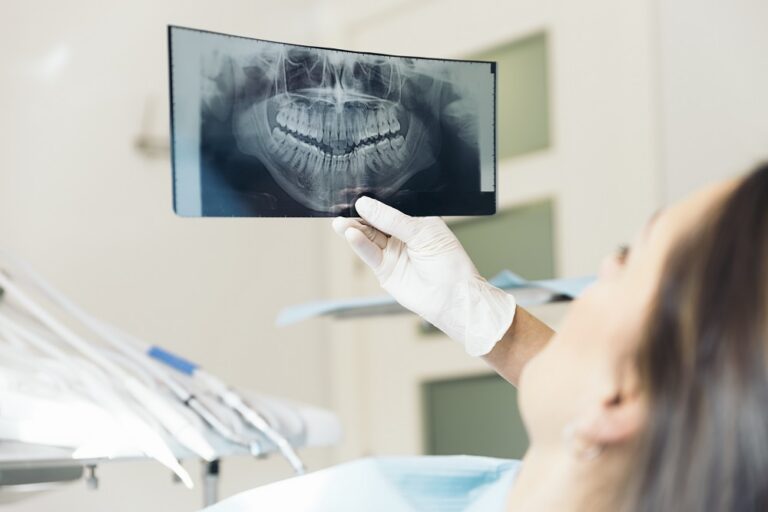
A good periodontal evaluation is more than a quick look with a mirror. The clinician checks the gums, measures the depth of pockets around the teeth, looks for bleeding points, evaluates recession, assesses tooth mobility, and reviews X rays for bone levels. This creates a map of where the disease is active and how severe it appears to be.
https://andyyrwt084.hexaforgey.com/posts/how-ventura-clinics-use-technology-in-periodontal-treatmentPocket measurements are especially important. Healthy gums generally have shallow sulcus depths. Deeper pockets can indicate attachment loss and areas where bacteria are harder to control. X rays help reveal bone loss that cannot be seen from the surface. Together, those findings guide treatment decisions.
Patients often ask whether one exam can tell the entire story. Usually, yes, it gives a strong baseline, but periodontal health can change over time. That is why follow up matters. A person may respond very well to treatment in one area and need additional care elsewhere. Good treatment is not one size fits all. It is tailored to the severity, the patient’s risk factors, and how well the tissues respond.
What periodontal treatment usually involves
The phrase Periodontal Treatment Ventura can refer to several different levels of care. Not everyone needs surgery. Not everyone can be managed with a routine cleaning. The right approach depends on how far the disease has progressed.
For early gingivitis, a professional cleaning plus improved home care may be enough. Once periodontitis is present, deeper treatment is often needed. The most common nonsurgical approach is scaling and root planing. Patients sometimes call it a deep cleaning, though that phrase can oversimplify what is really happening. The clinician removes plaque and tartar from above and below the gumline and smooths root surfaces so the gums can reattach more effectively and bacteria have fewer rough places to cling to.
This is typically done with local anesthesia to keep the patient comfortable. Depending on the amount of work, treatment may be completed over one or more visits. Mild soreness afterward is common, especially in inflamed areas, but many patients are surprised that recovery is easier than they feared. The bigger challenge is often not the procedure itself, but committing to the maintenance that follows.
If deep pockets remain after nonsurgical therapy, or if there are bony defects and persistent inflammation, surgical periodontal treatment may be recommended. That could include flap surgery to gain better access for cleaning, regenerative procedures in selected defects, or grafting to address recession. These are more specialized decisions and should be based on a careful exam, not a sales script.
There are also cases where a patient needs coordination among several providers. A general dentist may diagnose the problem and start treatment, while a periodontist handles advanced care. If there are loose teeth, bite problems, failing restorations, or plans for implants, coordination becomes even more important. Periodontal health is the foundation. If the foundation is unstable, everything placed on top of it is at greater risk.
The difference between routine cleanings and periodontal maintenance
This is where confusion often starts. A standard preventive cleaning is designed for patients without active periodontal disease. It targets plaque and tartar above the gumline and addresses mild buildup. Periodontal maintenance is different. It is ongoing care for patients who have been treated for periodontitis and remain at risk for recurrence.
That distinction matters because families sometimes think a six month cleaning will solve a problem that actually needs a more involved response. It will not. If pockets are deep and tartar extends below the gums, a routine cleaning is not the right service for the condition.
After active treatment, many patients are placed on a maintenance schedule every three or four months rather than every six. That timing is not arbitrary. Bacterial colonies repopulate, and people with a history of periodontal disease tend to relapse faster. More frequent maintenance helps interrupt that cycle before inflammation rebuilds. Some patients can eventually extend intervals. Others cannot, especially if smoking, diabetes, or dexterity problems make home care difficult.
Does periodontal treatment hurt?
This question comes up almost every time, and fairly so. The honest answer is that treatment should be manageable, but comfort depends on the severity of disease, the extent of the procedure, and the patient’s anxiety level.
Scaling and root planing is commonly done with local anesthetic, and many offices can offer additional comfort measures if needed. Afterward, the gums may feel tender for a few days, especially if they were heavily inflamed to begin with. Cold sensitivity can increase temporarily as tartar is removed and root surfaces are exposed. That does not happen to everyone, but it is common enough that patients should know about it beforehand.
Surgical procedures involve a longer recovery, though many patients still describe the experience as less difficult than anticipated. Good post operative instructions matter. Soft foods, gentle hygiene, avoiding tobacco, and taking medications exactly as prescribed can make a significant difference in healing.
In my experience, untreated gum disease tends to be worse in the long run than the treatment. People adapt to chronic bleeding and low grade infection, but that does not mean the condition is harmless. Once teeth begin to loosen or abscesses develop, the conversation gets harder.
Why home care can either support treatment or undo it
Professional treatment can reduce infection and stabilize the mouth, but daily habits determine whether those gains hold. This is where judgment matters. Telling every patient to “brush and floss better” is too vague to be useful. The right routine depends on the person.
Someone with arthritis may need a powered brush and floss alternatives. A teenager in braces may do better with an interdental brush than with traditional floss alone. A patient with recession and root sensitivity may need a soft brush, a less abrasive toothpaste, and a gentler technique. A dry mouth patient may need hydration strategies and saliva supporting products in addition to mechanical cleaning.
The basics still count, and they matter more after treatment than before. A practical home routine usually includes:
- Brushing twice daily with a soft bristled or powered toothbrush
- Cleaning between the teeth every day with floss, picks, or interdental brushes
- Using any prescribed antimicrobial rinse exactly as directed
- Keeping maintenance appointments on schedule
- Avoiding tobacco and discussing blood sugar control if diabetes is a factor
There is no prize for using the harshest brush or the strongest rinse. Consistency beats intensity. A gentle routine done well every day is far more effective than occasional overcorrection after a week of neglect.
Special considerations for children, teens, and older adults
Families often assume periodontal disease is strictly an adult issue. Severe periodontitis is more common with age, but gum inflammation can begin much earlier. Children commonly develop gingivitis if brushing is inconsistent, especially around erupting molars where plaque collects easily. Teens face a different mix of challenges. Orthodontic brackets trap food, hormonal changes can amplify gum reactions, and many teenagers rush through oral hygiene.
This does not mean every teen with bleeding gums has serious periodontal disease. Usually they do not. Still, persistent inflammation should not be ignored. Good habits built early can prevent a much bigger problem later.
Older adults bring a different set of concerns. Recession is more common. Dexterity issues may make plaque removal harder. Multiple medications can cause dry mouth. Existing crowns, bridges, and implants require careful cleaning. In this age group, periodontal treatment is often about preserving function and comfort as much as preserving appearance. Being able to chew well, speak clearly, and avoid avoidable tooth loss has a direct effect on quality of life.
Cost, timing, and the expense of waiting
Periodontal care is not always inexpensive, and families deserve honesty about that. Costs vary widely based on severity, how many areas need treatment, whether a general dentist or periodontist is providing care, the need for anesthesia or surgery, and what insurance will cover. The broad point is simple. Earlier treatment is usually less invasive and less costly than delayed treatment.
Waiting often creates a chain reaction. A patient postpones care because the gums bleed a little. Months pass. Bone loss worsens. A tooth becomes loose. Now there may be a need for periodontal therapy, possible extraction, grafting, and later replacement with a bridge or implant. That is a very different financial picture.
It is also worth asking what the goal of treatment is for a particular patient. Sometimes the objective is long term stabilization of the entire dentition. Sometimes it is controlling infection before major restorative work. In a more advanced case, the goal may be to save strategic teeth while planning realistically for those that have a poor prognosis. Good clinicians talk about these trade offs openly. They do not promise that every tooth can or should be saved at any cost.
Choosing a provider for periodontal care in Ventura
When looking into Periodontal Treatment Ventura, families should focus less on marketing language and more on clarity, diagnosis, and follow through. A good provider explains what stage of disease is present, what findings support that diagnosis, what treatment is being recommended, and what maintenance will be required afterward.
If the explanation feels vague, ask for specifics. How deep are the pockets? Is there bone loss on the X rays? Is the condition localized or generalized? What happens if treatment is delayed six months? These are reasonable questions.
It also helps to notice whether the office talks seriously about maintenance and home care. Periodontal treatment is not a one visit fix. Any plan presented as permanent after a single procedure should raise concern. Gum disease management is ongoing because the bacterial challenge is ongoing.
Comfort matters too. Some patients avoid care for years because of embarrassment or fear. The right office handles that with professionalism, not judgment. A patient who has postponed dental visits does not need a lecture. They need a clear path forward.
What families can expect after treatment
After initial therapy, the mouth should gradually feel calmer. Bleeding often decreases noticeably within a couple of weeks if home care improves and heavy bacterial deposits have been removed. Gums may look less puffy and more firm. Breath often improves. Some patients notice slight spacing changes or increased visibility of tooth surfaces as swollen tissue shrinks back, which can be surprising if they were expecting the gums to look fuller afterward.
Follow up visits matter because visual improvement is only part of the picture. The deeper question is whether the pockets are reducing, whether inflammation is resolving, and whether there are areas that still require intervention. A stable periodontal patient is not necessarily a perfect one. Stability may mean some areas remain vulnerable but are being managed successfully through maintenance and daily care.
This is also where family support helps. If one person in the household is going through periodontal treatment, routines often improve for everyone. Better brushing habits, fewer skipped appointments, less tobacco exposure, and more attention to mouth dryness or diabetes management can have ripple effects across the family.
The bottom line for Ventura households
The most important thing families should know is that gum disease is common, treatable, and too easy to ignore. Bleeding gums are not normal just because they are common. Chronic inflammation in the mouth rarely stays small forever. The earlier it is identified, the better the options usually are.
For some people, treatment is straightforward and nonsurgical. For others, especially those who have delayed care or carry significant risk factors, it requires more time and closer follow up. Either way, the goal is the same: control infection, protect bone, preserve teeth when possible, and keep the mouth functional and comfortable for the long term.
If someone in your household has noticed bleeding, recession, bad breath that does not improve, or teeth that feel different when biting, this is the right moment to act. A thorough exam can separate minor inflammation from true periodontal disease and help you decide what comes next with confidence, not guesswork. That is what good periodontal care should offer every Ventura family.
Avra Dental
Address: 1708 S Victoria Ave B, Ventura, CA 93003
Phone number: (805) 941-1001
FAQ About Periodontal Treatment Ventura
Can a dentist get rid of periodontal disease?
A dentist or gum specialist (periodontist) cannot fully cure or reverse advanced periodontal disease (periodontitis), but they can successfully stop its progression and manage the infection.
Is periodontitis very serious?
Yes, periodontitis is a very serious, advanced form of gum disease that destroys the bone and tissues supporting your teeth.
How is stage 2 periodontal disease treated?
Stage 2 periodontal disease (early to moderate periodontitis) is primarily treated with non-surgical deep cleaning procedures like scaling and root planing to remove bacteria and tartar below the gumline.